- Prep
- 25 min
- Cook
- 20 min
- Total time
- 45 min
- Yield
- 22-24 units (11-12 portions)
- Difficulty
- Easy
- Calories
- 140 kcal
Quick summary
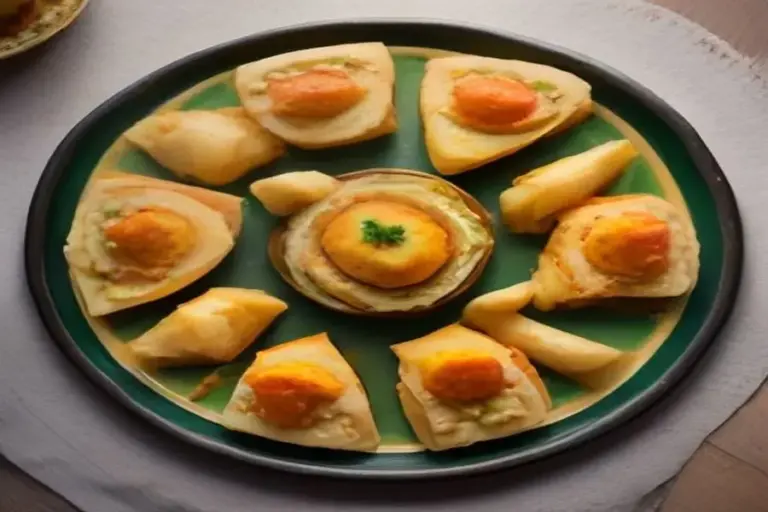
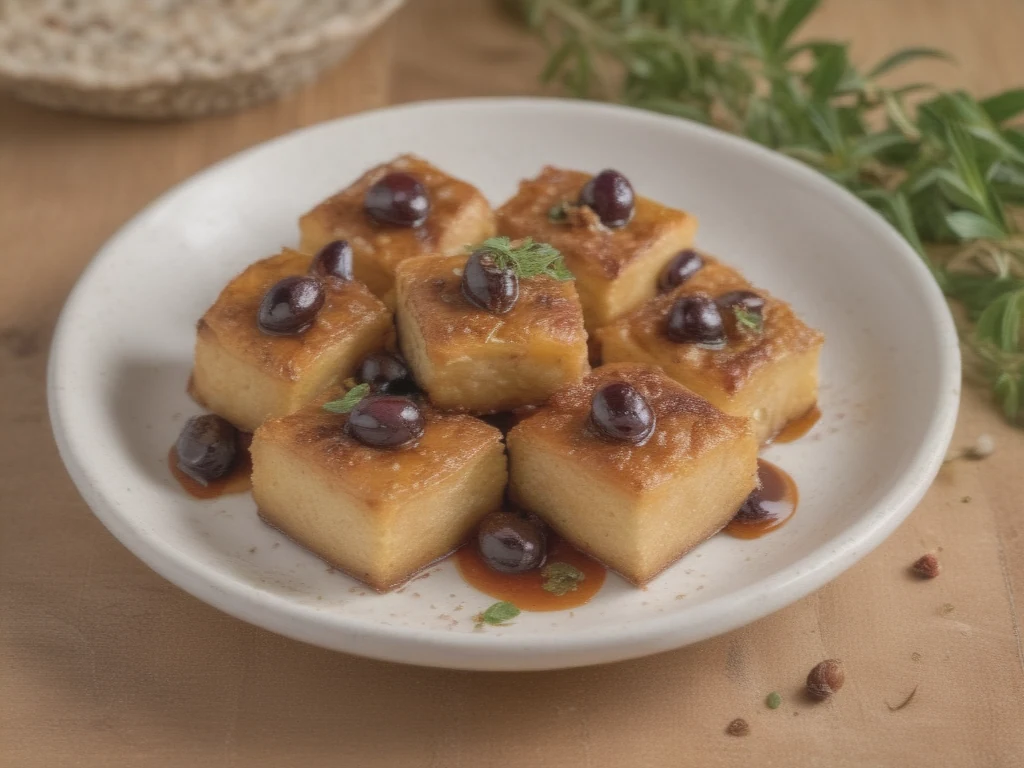
“These small individual focaccias feature soft dough inside and a golden crust drizzled with extra virgin olive oil. Kalamata olives, cherry tomatoes, and fresh thyme leaves impart bold Mediterranean flavor.”
What you need to know
- Precise hydration of the dough creates light internal air pockets and a soft texture under high oven temperature.
- The cavities pressed with fingers into the dough retain the olive oil and tomato juices during baking.
- Dry biological yeast activated in warm water ensures uniform fermentation without residual yeast flavor.
Ingredients
Main
- g Type 00 or good quality wheat flour
- g (1 sachet) Fermento biológico seco instantâneo
- teaspoon Açúcar
- teaspoon Fine sea salt
- ml Warm water
- tablespoons Extra virgin olive oil
- cup Pitted Kalamata olives, cut in half
- units Cherry tomatoes, halved
- ramos Fresh thyme (leaves only)
- Flor de sal
Instructions
Principal
- In a large bowl, mix the flour, baking powder, sugar, and salt. Add the warm water and 2 tablespoons of olive oil. Mix with a wooden spoon or spatula until a sticky dough forms.
- Transfer the dough to a surface lightly greased with olive oil. Knead for about 5-7 minutes, until the dough becomes more elastic and homogeneous, but still soft and slightly sticky.
- Place the dough back into the oiled bowl, turn to coat all sides, cover with a clean kitchen towel or plastic wrap, and let it rise in a warm place for 1 to 1.5 hours, or until doubled in volume.
- Preheat the oven to 220°C. Grease a large baking sheet with olive oil. With lightly greased hands, remove the dough from the bowl and divide it into 22-24 small portions. Shape each portion into a flat circle and place on the baking sheet, leaving space between them.
- With your fingertips, make small dimples in each focaccine. Distribute the Kalamata olives and cherry tomatoes over the dough. Drizzle generously with the remaining olive oil and sprinkle the fresh thyme leaves and fleur de sel.
- Let the focaccine rest on the baking sheet for another 15-20 minutes.
- Take to the preheated oven and bake for 15-20 minutes, or until the focaccine are golden and cooked through. Remove from the oven and transfer to a wire rack to cool slightly before serving.
Chef's tips
- Respect the 45 minutes of the first fermentation in a closed environment for the dough to double in volume with vigor.
- Press the tomatoes and olives firmly into the dough so they don't pop out during rising in the oven.
- Finish with fleur de sel immediately upon leaving the oven to enhance the crispy texture of the top crust.
Variations
- Add thinly sliced garlic cloves on the surface of the focaccine before baking.
- Distribute small cubes of parmesan or aged provolone cheese in the dimples along with the olives.
- Add red onion cut into thin strips marinated in olive oil for a sweet and toasted top.
Substitutions
- Type 00 wheat flour can be replaced by traditional high-gluten wheat flour.
- Kalamata olives can be swapped for traditional black olives or good quality green ones.
- Fresh thyme can be replaced with sprigs of fresh rosemary picked and coarsely chopped.
How to store
Store in a closed container or plastic bag suitable for bread for up to 2 days at room temperature. To recover the original crust, heat in an electric or conventional oven at 180°C for 5 minutes.
Can it be frozen?
Freeze after baked and cooled in an airtight bag for up to 2 months. To serve, transfer directly from the freezer to a preheated 190°C oven for 8 minutes without the need for prior thawing.
What to serve with
Excellent for composing cheese boards and antipasti, accompanying rustic tomato soups, or enjoying with flavored olive oil.
Frequently asked questions
Can I leave the dough fermenting in the refrigerator overnight?
Yes, slow cold fermentation in the refrigerator for 12 to 18 hours intensifies the wheat aromas. Let the dough return to room temperature for 40 minutes before shaping individual portions.
Can the pasta water be cold or boiling at the time of mixing?
The water should be warm, between 36°C and 38°C. Excessively hot water above 45°C kills the yeast, while ice-cold water slows down the fermentation process too much.
How to get the golden and crispy crust typical of Italian bakeries?
The oven must be preheated to 220°C and the baking sheet well greased with olive oil. The contact of the hydrated dough with the hot olive oil at the base fries the bottom crust while the heat seals the top.
Why is it important to make deep dimples with your fingers on the surface?
The dimples distribute the internal gas, preventing the focaccine from inflating like a single air balloon. They also form reservoirs for the olive oil and the tomato juice to penetrate the dough.
You might also like